Source oxygen free copper heating cables for Pipe, Industrial, and Process Uses
Find and compare 30 listings for oxygen free copper heating cables designed for pipe tracing, industrial heating, and process applications. Evaluate options featuring FEP insulation, tinned copper conductors, and customizable core configurations to meet specific voltage and temperature requirements.
Key considerations
Products List
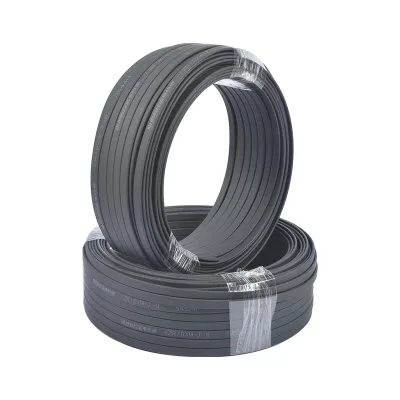


Comprehensive Sourcing Guide
Oxygen Free Copper Heating Cables Sourcing Guide
Procuring heating cables constructed with oxygen-free copper conductors requires a disciplined approach to material verification and application matching. Oxygen-free copper (OFC) is selected for its superior electrical conductivity and resistance to hydrogen embrittlement, making it ideal for high-reliability industrial heating applications. Buyers must distinguish between true OFC grades and standard electrolytic copper, as the latter may degrade under high-temperature or humid conditions. The sourcing process begins with defining the precise thermal and electrical requirements of the target system, ensuring that the cable’s construction aligns with the operational environment.
This guide focuses on the technical and commercial realities of sourcing these components from major manufacturing hubs in China, particularly Jiangsu and Anhui provinces. The market offers a wide spectrum of products, from simple trace heating wires to complex self-regulating systems. Buyers should navigate this variety by focusing on verified material compositions, insulation integrity, and certified manufacturing processes. Understanding the distinction between the heating element, the conductor, and the outer jacket is critical to avoiding mismatches that lead to premature failure or safety hazards in the final installation.
Product Scope and Observed Listing Signals
The current market landscape for heating cables includes a diverse range of products, with observed prices spanning from $0.10 to over $12,000 USD. This wide variance reflects differences in conductor material, insulation thickness, jacket durability, and the complexity of the heating element. Minimum order quantities (MOQs) typically range from 1 to 5,000 units, allowing for both prototype testing and large-scale industrial deployment. Buyers should note that low-priced items often correspond to basic heating wires or simple trace cables, while higher-priced listings may include integrated self-regulating features or specialized high-temperature ratings.
Observed product attributes indicate a strong presence of brands such as LYDR and Micc, with origins primarily in Jiangsu and Anhui, China. Common specifications include rated voltages of 110V-120V, 220V-380V, and up to 1100V, catering to various global power standards. The number of conductors varies, with some products offering single-core configurations and others providing multi-core options like 19*0.45mm strands. Additionally, the maximum maintain temperature for many listed products ranges from 65°C to 110°C, while some specialized heating wires can withstand exposure temperatures up to 205°C or even 1200°C for the heating element itself.
Technical Specifications to Verify
Verifying the conductor material is the most critical technical step, as the core keyword specifies oxygen-free copper. However, observed listings frequently cite "tinned copper" or "fecral" (0cr21al6nb) as conductor or heating materials. Buyers must explicitly confirm whether the copper is oxygen-free and whether it is tinned for corrosion resistance. The insulation material is another key variable, with FEP, thermoplastic, and XLPO being common choices. FEP offers excellent chemical resistance and high-temperature performance, while XLPO provides robust mechanical strength. The jacket material, often FEP, must be compatible with the operating environment to prevent degradation from UV exposure, chemicals, or moisture.
The heating element composition and resistance tolerance are equally important for performance consistency. Some products utilize alloy heating wires, such as 0cr21al6nb, which offer high resistivity and oxidation resistance. Buyers should verify the resistance tolerance, with observed values like +10/-5% indicating the acceptable variance in electrical output. The cold tail length, often specified as 2.5m, is crucial for connecting the heating cable to the power source without exposing the sensitive heating section to non-heating conditions. Additionally, the minimum installation temperature, observed at -50°C for some products, dictates the cable’s flexibility and durability during handling in cold climates.
Compliance and Safety Documentation
Certification is a non-negotiable aspect of sourcing heating cables, as they are electrical components that pose fire and shock risks if improperly manufactured. Observed certifications include ISO, CE, EAC, TUV, ISO9001, and RoHS. Buyers should request valid certificates for each batch or product line, ensuring that the certification body is accredited and recognized in the destination market. CE marking, for instance, indicates compliance with European health, safety, and environmental protection standards, while RoHS restricts the use of hazardous substances. It is essential to verify that the certifications cover the specific model and material composition being purchased, as generic certificates may not apply to all product variants.
Standards compliance extends beyond certifications to include manufacturing and testing protocols. Observed standards such as FSL/FSM/FSH and customized standards suggest that manufacturers may adhere to specific industry or internal guidelines. Buyers should inquire about the testing procedures for insulation resistance, which is observed to be ≥ 750M km, and the breakdown voltage tests. Documentation should also include material safety data sheets (MSDS) for the insulation and jacket materials, ensuring they meet environmental and safety regulations in the end-use country. Without proper documentation, buyers risk non-compliance with local electrical codes and potential liability in case of accidents.
Cost Drivers and Commercial Terms
The cost of heating cables is driven by several factors, including the type and purity of the copper, the quality of the insulation and jacket materials, and the complexity of the heating element. Oxygen-free copper is more expensive than standard copper, and tinning adds further cost. Products with higher maximum temperatures or specialized insulation like FEP will also command higher prices. Buyers should analyze the price per meter or per unit rather than the total order value to compare apples to apples. The observed price range of $0.10 to $12,222 USD highlights the importance of specifying exact requirements to avoid overpaying for unnecessary features or under-specifying for critical applications.
Commercial terms such as MOQ, lead time, and payment terms significantly impact the total cost of ownership. While MOQs can be as low as 1 unit, larger orders often benefit from volume discounts. Lead times are not explicitly stated in the observed data but are typically influenced by customization requirements and production capacity. Buyers should negotiate clear terms for packaging, with options like carton boxes or wooden cases available. Additionally, after-sales services, such as online technical support, can reduce long-term costs by providing troubleshooting assistance. Understanding these commercial dynamics helps buyers optimize their procurement strategy and manage budget constraints effectively.
Supplier Qualification and Quality Control
Supplier qualification involves verifying the manufacturer’s production capabilities and quality management systems. Buyers should prioritize suppliers with ISO9001 certification, as it indicates a structured approach to quality control. Visiting the factory or conducting third-party audits can provide insights into the manufacturing process, from copper drawing to cable extrusion. Suppliers in Jiangsu and Anhui provinces are known for their industrial clusters, but buyers should verify the specific facility’s expertise in heating cables. Customization capabilities, such as adjusting the number of cores or jacket color, are valuable for specialized applications, but they require robust quality control to ensure consistency.
Quality control measures should include incoming material inspections, in-process checks, and final product testing. Buyers should request test reports for key parameters, such as insulation resistance, voltage withstand, and temperature rating. The observed resistance tolerance of +10/-5% suggests that manufacturers have control over their heating element production, but buyers should verify this through sample testing. Additionally, checking the supplier’s after-sales service record can provide insights into their commitment to product performance. Establishing a clear quality agreement with the supplier, including acceptance criteria and rejection procedures, is essential for maintaining product integrity.
Long-Term Procurement Checks
Long-term procurement success depends on continuous monitoring of product performance and supplier reliability. Buyers should implement a feedback loop from the installation and operation phases to identify any issues with the heating cables, such as premature failure or inconsistent heating. Regular audits of the supplier’s quality control processes can help prevent drift in product specifications. Maintaining a relationship with the supplier for technical support and updates on new materials or technologies can also provide a competitive advantage. Buyers should stay informed about changes in industry standards and regulations that may affect the use of heating cables in their applications.
Finally, buyers should diversify their supplier base to mitigate risks associated with supply chain disruptions. While the observed data points to specific regions and brands, relying on a single source can be risky. Developing alternative suppliers with similar capabilities ensures continuity of supply. Additionally, keeping detailed records of all procurement transactions, test results, and communications can facilitate dispute resolution and continuous improvement. By adopting a proactive and data-driven approach to procurement, buyers can ensure the long-term reliability and efficiency of their heating systems.
FAQs
What insulation materials are used in these heating cables?
The cables utilize FEP, thermoplastic, or XLPO insulation materials. These materials provide necessary thermal stability and electrical protection for pipe heating trace applications in various industrial environments.
Which conductor materials are available for oxygen free copper heating cables?
Available conductor materials include tinned copper and Fecral alloy heating wire. The specific choice depends on the required maximum working temperature and the electrical resistance properties needed for the application.
Can these cables operate in extremely low temperatures?
Yes, the cables can be installed at minimum temperatures as low as -50 degrees Celsius. This capability ensures reliable performance and prevents damage during installation in cold climates or refrigerated facilities.
What certifications do these heating cables typically hold?
Common certifications include ISO, CE, TUV, RoHS, and EAC. These standards verify that the products meet international safety and quality requirements for electric heating systems and industrial applications.
How is the maximum working temperature defined for these products?
Maximum working temperatures vary by model, with options reaching up to 1200 degrees Celsius for specific alloy wires. Standard cable versions often maintain temperatures around 65 to 110 degrees Celsius for pipe tracing.
What is the typical packaging method for these heating cables?
Products are typically packed in carton boxes or wooden cases to ensure safe transport. Single package dimensions often measure 80 by 80 by 20 centimeters with a gross weight of approximately 1 kilogram.